

Lymphatic drainage massage at Momentum SportMed is provided by a Certified Lymphedema Decongestive Therapist (CDT), using gentle techniques adapted to your condition, health history and goals.
Manual Lymphatic Drainage (MLD) can be used as part of care for lymphedema, persistent swelling and certain post-surgical or post-injury concerns. When appropriate, treatment may also form part of Complete Decongestive Therapy (CDT), a comprehensive approach to lymphedema management that can include Manual Lymphatic Drainage, compression, exercise, skin care and patient education.
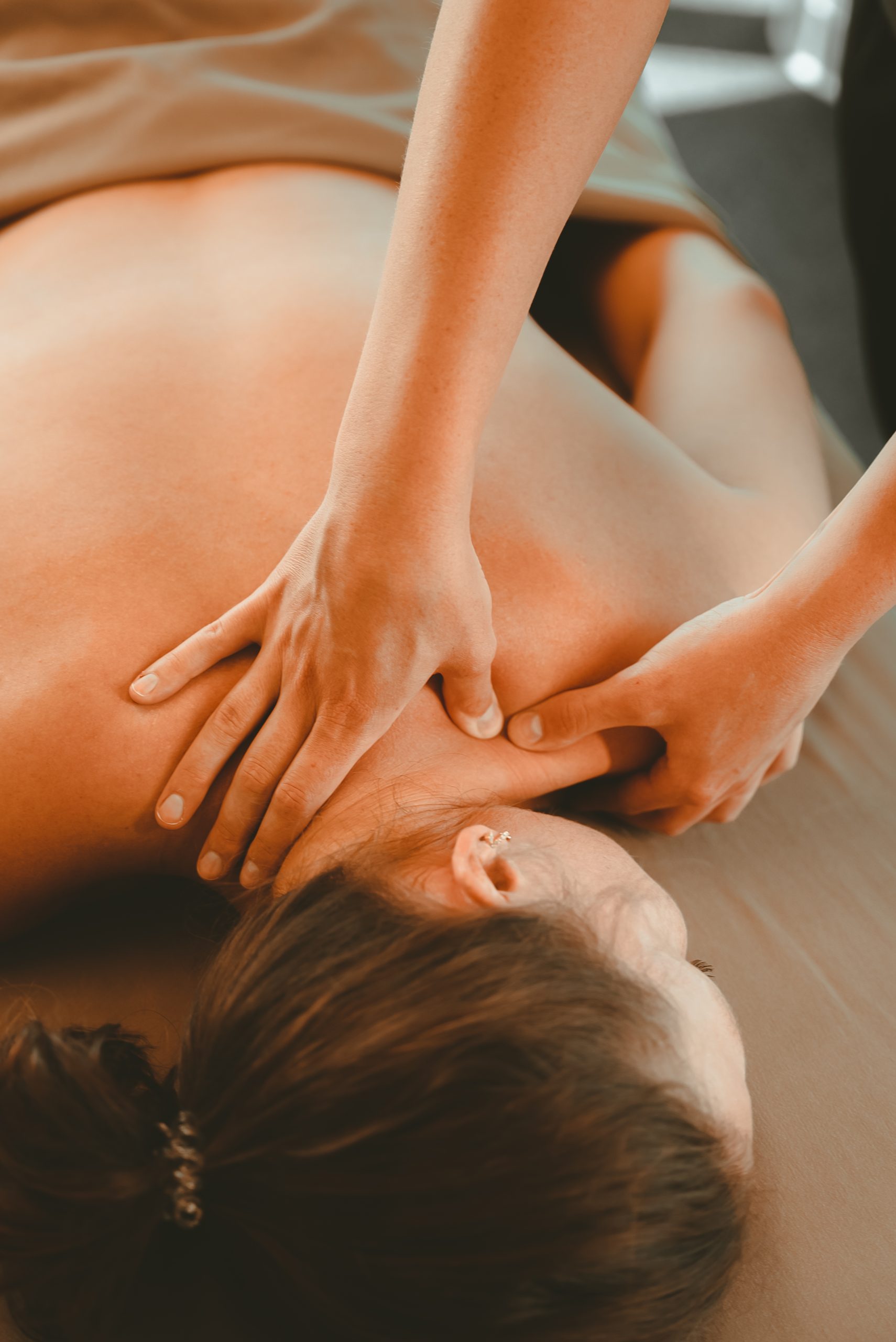
Your assessment guides a plan for managing swelling, which may include Manual Lymphatic Drainage, compression, exercise, education and long-term self-management.
MANUAL LYMPHATIC DRAINAGE (MLD)
Manual Lymphatic Drainage is a specialized, gentle treatment using precise, rhythmic movements to support the movement of lymphatic fluid. Unlike traditional massage, MLD does not rely on deep pressure. Treatment is adapted to the areas affected and the needs of your lymphatic system.
COMPLETE DECONGESTIVE THERAPY (CDT)
For people living with lymphedema, Manual Lymphatic Drainage may be one component of Complete Decongestive Therapy. CDT is a comprehensive approach to lymphedema management that can combine MLD with compression therapy, exercise, skin care, education and self-management strategies. The focus is not simply on managing swelling during an appointment, but on developing an appropriate longer-term strategy for the condition.
CANCER-RELATED LYMPHEDEMA
Lymphedema can develop following cancer treatment when lymph nodes or lymphatic vessels have been removed or damaged through surgery, radiation or other treatment. Depending on the treatment received, swelling may affect the arm, breast, chest, trunk, leg or other areas. A Certified Lymphedema Decongestive Therapist can provide specialized care to help manage swelling and support the ongoing management of cancer-related lymphedema.
LYMPHEDEMA & CHRONIC SWELLING
Lymphedema may be primary or develop secondary to surgery, cancer treatment, injury or other changes affecting the lymphatic system. Management is individualized according to the cause and presentation of the swelling, the areas affected and your current needs, and may involve a combination of treatment and self-management strategies.
COMPRESSION THERAPY
Compression can be an important component of lymphedema and swelling management. Depending on your individual needs, compression strategies may be used to help manage swelling and maintain improvements between treatments. Your therapist can also provide education about how compression fits within your broader management plan.
POST-SURGICAL & POST-TREATMENT CARE
Changes in swelling can occur following surgery, injury or medical treatment, particularly when lymph nodes or lymphatic structures have been affected. When medically appropriate, MLD may be incorporated into your recovery. Treatment considers your procedure, stage of healing, medical history and any precautions or recommendations from your surgeon, oncologist or healthcare team.
EDUCATION & LONG-TERM SELF-MANAGEMENT
For chronic lymphatic conditions, management extends beyond appointments. Education may include movement and exercise, skin care, compression and appropriate self-management strategies. Understanding your condition and learning how to manage it can be an important part of long-term lymphedema care.
Care may address the following concerns, depending on the cause of swelling, your medical history and stage of recovery.
CANCER-RELATED LYMPHEDEMA
Breast cancer-related lymphedema • Lymph node removal • Sentinel lymph node biopsy • Radiation-related lymphatic changes • Upper-extremity swelling • Breast and chest-wall swelling • Lower-extremity lymphedema following cancer treatment
PRIMARY & SECONDARY LYMPHEDEMA
Primary lymphedema • Secondary lymphedema • Chronic limb swelling • Changes in limb size or heaviness • Persistent lymphatic swelling • Lymphatic system impairment
POST-SURGICAL SWELLING
Swelling following appropriate surgical procedures • Post-operative edema • Swelling following lymph node procedures • Recovery following medically appropriate surgery • Persistent swelling during recovery
SWELLING & EDEMA
Persistent swelling • Limb swelling • Localized edema • Feelings of heaviness or fullness • Swelling associated with certain injuries or medical treatments • Changes in tissue associated with chronic swelling
LONG-TERM LYMPHEDEMA MANAGEMENT
Ongoing swelling management • Compression strategies • Exercise and movement • Skin care • Self-management education • Monitoring changes in symptoms • Maintaining progress between appointments
This is more than a general lymphatic massage. At Momentum SportMed, care is provided by a Certified Lymphedema Decongestive Therapist with specialized training in Manual Lymphatic Drainage and Complete Decongestive Therapy, allowing treatment to address more complex lymphatic and swelling-related needs.
SPECIALIZED LYMPHEDEMA TRAINING
Working with lymphedema requires an understanding of the lymphatic system, swelling management, compression and the precautions associated with different medical conditions. CDT training provides specialized knowledge for assessing and managing these needs.
EXPERIENCE WITH CANCER-RELATED LYMPHEDEMA
Cancer treatment can create unique changes to the lymphatic system. Care can be adapted for individuals who have experienced lymph node removal, radiation, breast cancer treatment or other cancer-related procedures that have affected lymphatic drainage.
MORE THAN MANUAL LYMPHATIC DRAINAGE
For patients with lymphedema, treatment may involve more than MLD alone. Complete Decongestive Therapy provides a broader management approach that can incorporate compression, exercise, skin care, education and strategies for managing your condition outside the clinic.
CARE THAT RESPECTS YOUR MEDICAL HISTORY
Lymphatic concerns can occur alongside complex medical histories. Your previous surgeries, cancer treatment, current health, precautions and recommendations from your healthcare team are considered when determining an appropriate treatment approach.
SUPPORT FOR LONG-TERM MANAGEMENT
Lymphedema is often an ongoing condition rather than something addressed in a few appointments. Our approach emphasizes helping you understand your condition and developing practical strategies to support its management over time.
Book an assessment to discuss lymphatic care for your condition and medical history.


